Yesterday was extraction day! And oh what a glorious day it was. Successfully harvesting honey was about as cool as spotting a moose in your backyard or walking up to the Grand Canyon or even hiking Devil’s Bridge near Sedona!
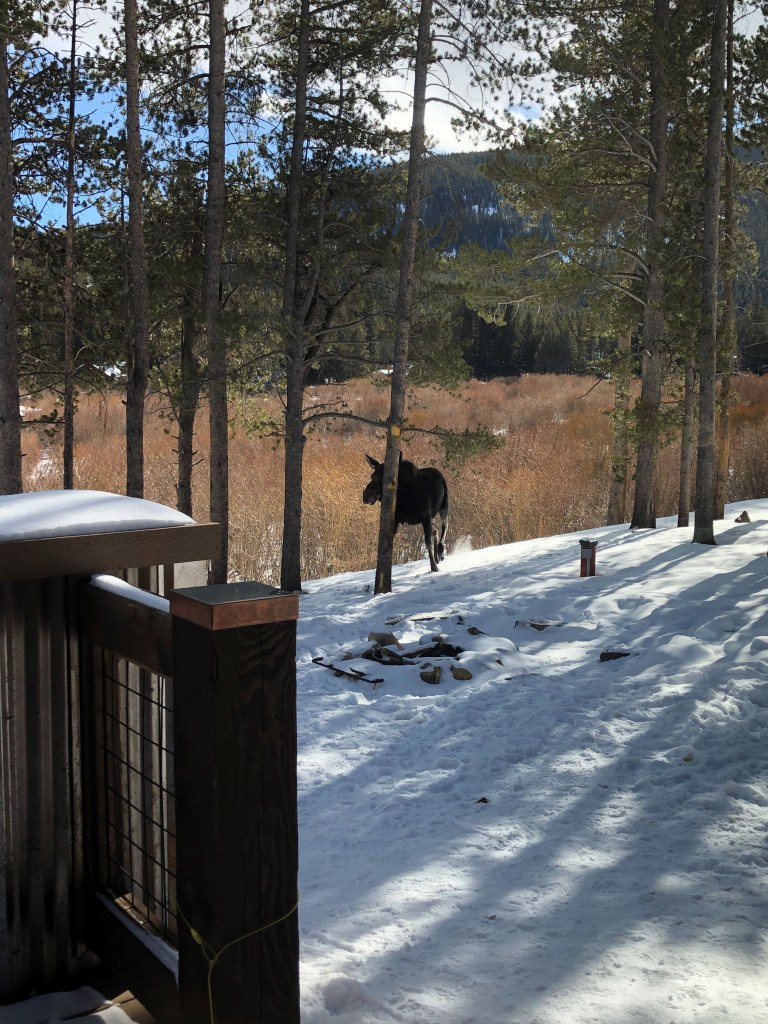
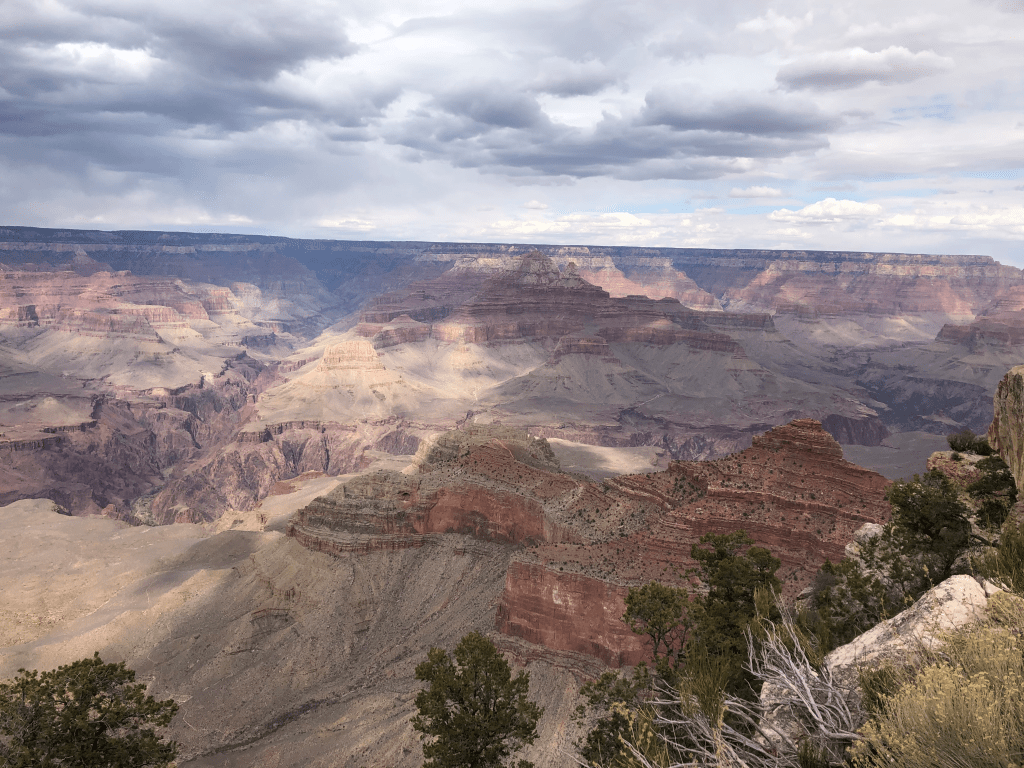

Super cool experiences that pictures don’t do justice and I would say our day of extracting honey ranked right up there near these other epic experiences in our lives.
Now, I know that sounds dramatic but when you think of the journey from researching to purchasing equipment and prepping an apiary and buying bees and then trying to keep an eye on them and keep them alive…it’s definitely been an adventure all in its own.
Yesterday marked a milestone we had hoped for. We were able to remove the honey supers. One super from each hive (hopefully next year we will have two supers on each hive). Now, removing supers is one thing…removing supers without any bees is another! Our mentor used a fume board and some really bad smelling stuff to drive them down from the supers and back into the brood boxes. His equipment wasn’t exactly the same fit on my hives (he runs ten frame hives and I run eight) and while most of the bees did leave we had a few stragglers. This meant each frame had to be removed and remaining bees were brushed off. Tedious but not a huge deal. Makes the bees a little buzzier but I’m happy to report there were no stings.
Once most all bees were removed we needed to transfer the supers. They were heavy but even as an out of shape forty something I was able to carry a super about 50 yards to load into the truck. From there we headed to our mentors house were he had a set up beyond what I ever could have imagined!
In his heated/cooled garage he had running water and all the honey equipment necessary for extraction. It was an incredible site to see. Years upon years of beekeeping at its finest. (I hope to one day get his permission to share his story). The little beekeeper and I were awestruck.
So here we are in this incredible set up and we are about to extract our very own honey. Our mentor shows us how to uncap the honey – this can be done with a hot knife sort of thing or a safer little scraper. We opted for the safer scraper seen demonstrated here…
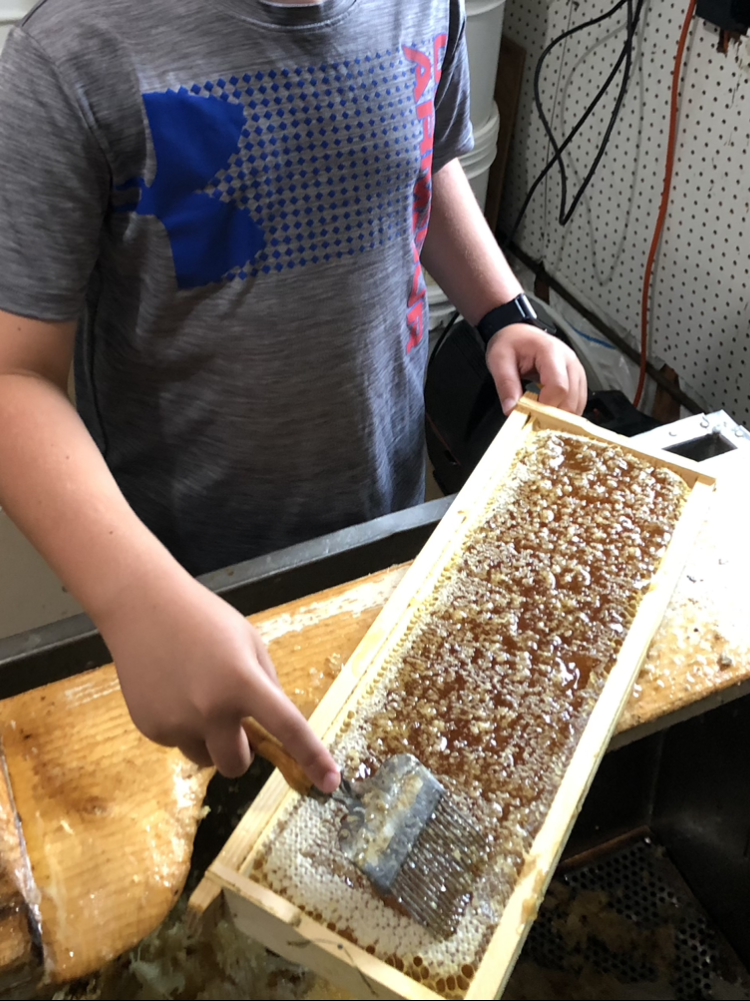
After uncapping, the frames are places into the extractor that spins the honey out. It flowed into a bucket…
and then we took that bucket home. At home we filtered the honey to remove any remaining wax.
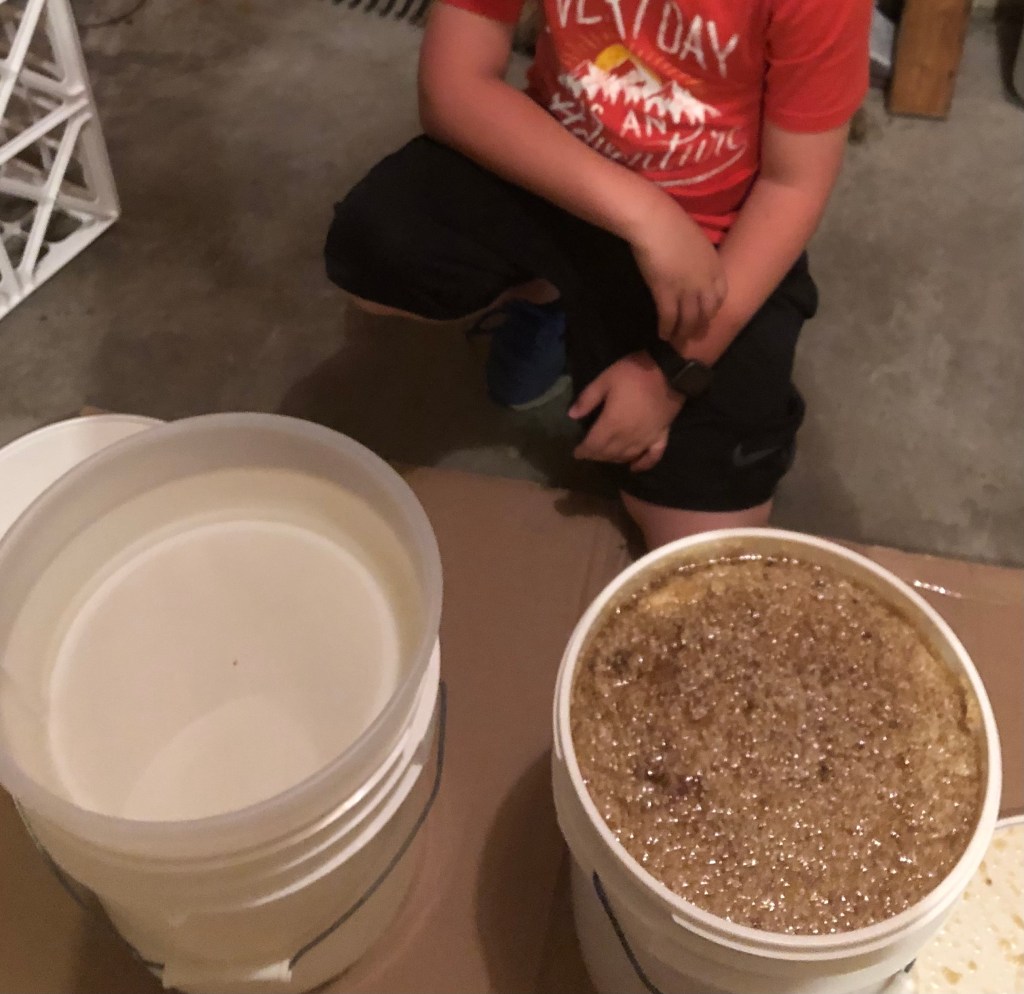
Just pour from one bucket through the strainer to another bucket without making everything a sticky mess! It went better than I expected.
Because we were unable to secure a bottling bucket (bucket with a valve for bottling on it) from the bee store we had to improvise and we hope this five gallon drink container will work out ok for us.
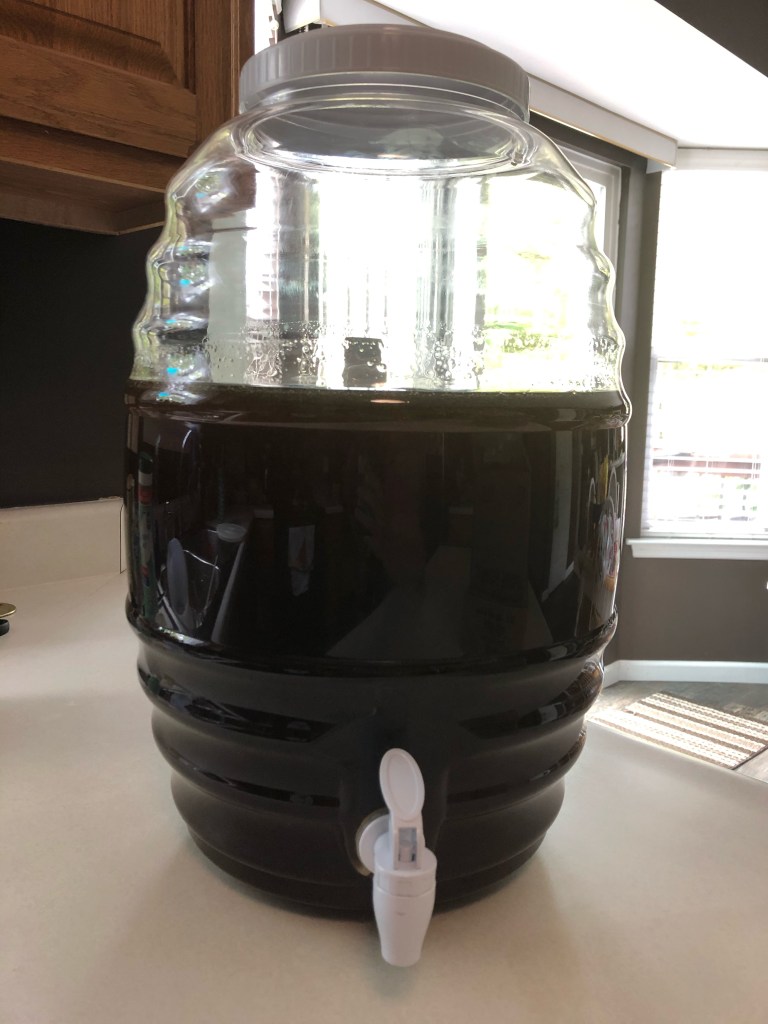
For a size comparison, here it is next to a gallon of milk.

I even put it on a scale and it weighed in at forty pounds!
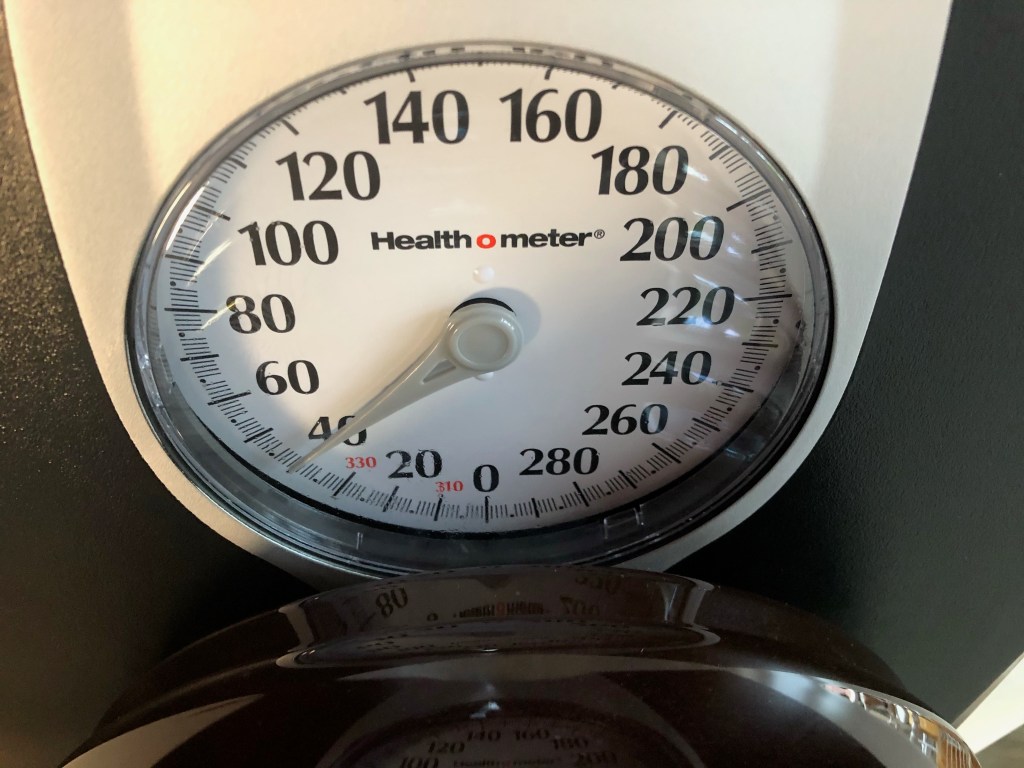
We’ll let this sit overnight and attempt to bottle tomorrow. It was fun picking out jars, containers and labels at the bee store…I wish we had more honey!!!
As for the bees and the hives…we set the super frames out near the hives so the bees will clean up the mess of extracted frames. It’s amazing how they are able to track it down outside the hive and clean it all up. Then I have to freeze the frames for two days to make sure there aren’t any unwanted mothy eggs in there. Then they can be stored in the basement without any issues…I hope.
We also need to treat for mites. We assume that we have them, most hives do. Apigar will be our method and hopefully we can reduce the mites enough so they will not negatively effect the colony too terribly much. We also spotted a few hive beetles, but again…we’ve heard they are very common in hives and are simply hoping the colony is strong enough to handle these pests. Our goal now is to help maintain a strong hive so they will successfully survive the winter and we’ll get to do all this fun honey stuff again next year!!!
-Worker Bee 2021
 Howards' Hives and Honey
Oh my goodness!! That’s amazing!!! Let me know if I can purchase some of that amazing harvest!!
LikeLiked by 1 person
You know where to find us. Send us a message via messenger and we’ll work something out.
LikeLiked by 1 person
It sounds like this has been a great adventure.
Sent from my iPhone
>
LikeLiked by 1 person
It’s been a lot of fun!
LikeLike
This is AWESOME!!!!! I love following your blog!
LikeLiked by 1 person
Thanks so much for your support!
LikeLike